Spider-Man Turn Off the Dark: Most Expensive Broadway Show in History
Exhibit D: Inside the $75 Million Budget of the Most Expensive Broadway Show
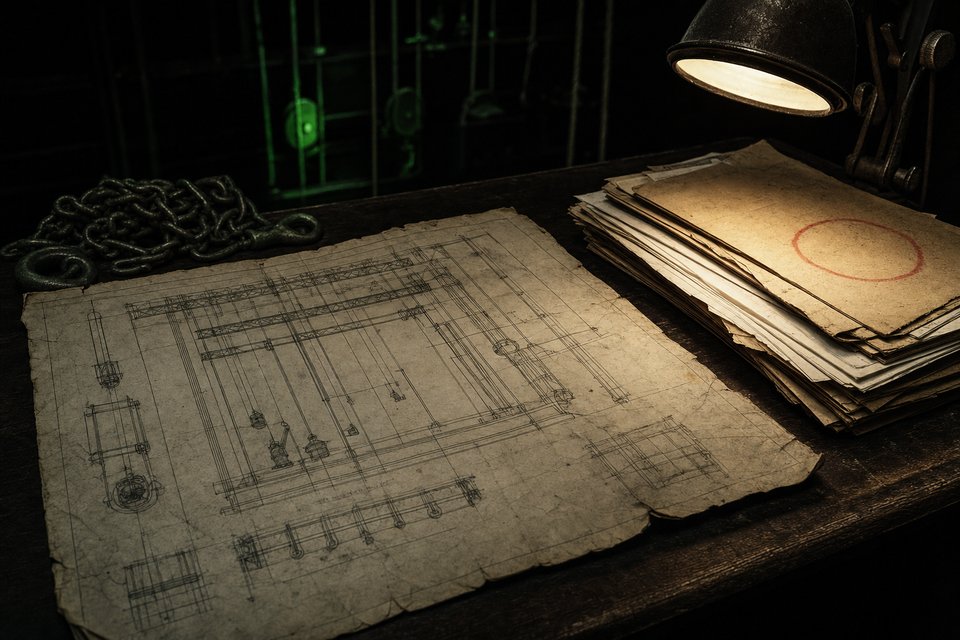
By the time Spider-Man Turn Off the Dark finally opened, the Spider Man Turn Off the Dark budget had already made headlines on its own: figures settled around $75 million, a sum that made it the most expensive Broadway show in history at the time it opened. That number did not come from a single extravagant line item. It came from a production built almost entirely around a technical problem nobody on Broadway had solved before: getting a costumed performer to swing convincingly over an audience's heads, night after night, without a visible safety net.
The flying rigs, the custom harnesses, the reinforced fly floor built into the Foxwoods Theatre itself, and a specialized crew whose entire job was choreographing bodies through the air -- these were the costs that never show up in a normal Broadway budget line. Add a book and score credited to Julie Taymor, Bono, and The Edge, plus a company large enough to run two alternating casts of stunt performers, and the math behind the Spider Man Turn Off the Dark budget starts to make sense, even if the total still shocked people at the time.
Ask anyone who worked in Broadway finance in 2010, and they will tell you the same thing: nobody had budgeted a musical like this before, and few have tried since.
Exhibit E: How Spider-Man Turn Off the Dark's Record Preview Run Piled On Costs
Some of that budget kept growing after previews began. Spider-Man Turn Off the Dark previewed for 182 performances, a Broadway record at the time, before its official opening on June 14, 2011. Each of those preview weeks still meant full cast calls, full crew calls, and a running weekly cost with no ticket-price premium to match, since preview seats are conventionally sold at a discount. A short preview period barely dents a budget. A seven-month one does.
The extended previews were driven by real safety and mechanical concerns, not just polish. Several performers were injured during the show's preview period, most seriously when stunt performer Christopher Tierney fell during a December 2010 performance and sustained multiple fractures. The incident drew national news coverage and prompted a formal workplace-safety review of the production's rigging, the kind of scrutiny that, fairly or not, became part of the show's public identity almost as much as its ticket sales did. A fullincident-by-incident timeline and a look atthe regulatory review that followed are filed separately.
Coverage of the Spider Man musical injuries outpaced coverage of almost anything else happening on Broadway that season, and outlets covering the story often filed the production alongside a short list of Broadway musical disasters, expensive misfires whose costs became nearly as newsworthy as their reviews. The Spider Man musical injuries and the mounting preview count fed each other in the press: every delay raised the odds of another close call, and every close call raised new questions about why previews kept getting extended.
Exhibit F: Julie Taymor's Exit and a Turning Point in Broadway History
Julie Taymor, who conceived the show and directed it through previews, departed the production in the spring of 2011 amid a creative overhaul brought in partly to address safety concerns and partly because producers wanted a faster-paced show than the one previews had delivered. Producers replaced sections of the book and staging under a new creative team while keeping Bono and The Edge's score largely intact. It was an unusually public split for a show still in previews, and it fed directly into how the production is remembered: the Julie Taymor Spider Man chapter is now inseparable from the story of the show's difficult birth, discussed nearly as often as the show itself.
Whatever one thinks of the final show, the Taymor-to-overhaul transition is now a fixture of Broadway history, one of the clearest examples of a large commercial production changing creative direction in full public view, previews and all. Few productions have generated as much real-time reporting on their internal decision-making as this one did, and more than a decade later, people still bring up Spider-Man Turn Off the Dark whenever the conversation turns to the most expensive Broadway show in history -- the Taymor exit is baked into that story, not separate from it. A scene-by-scene look atwhat her original version actually contained versus what the rewrite changed is filed separately.
Exhibit G: Did the Show Ever Earn Back Its $75 Million?
Did the most expensive Broadway show in history ever earn back its budget? Reports at the time suggested Spider-Man Turn Off the Dark came close during its strongest grossing stretches, but the production never fully recovered its reported $75 million once the extended previews, the mid-run overhaul, and years of steep running costs were counted. It closed on January 4, 2014, after 1,066 total performances, a healthy run by most standards, just not one that could outrun a budget this size.
Whether Spider-Man Turn Off the Dark belongs on any serious list of Broadway musical disasters is still argued among theater historians: some point to the record-breaking grosses during its best months as proof the gamble worked, others point to the total cost as proof it didn't. If you're trying to square a nine-figure-adjacent budget with what audiences actually paid for a ticket, the short version is that ticket revenue never really covers a production engineered around custom hardware; it wasn't built to.
INTERROGATION: BUDGET FAQ
How much did Spider-Man Turn Off the Dark cost in total?
Reported figures place the final budget at approximately $75 million, which made it the most expensive Broadway show in history at the time it opened.
What drove the budget so high?
The Spider-Man Turn Off the Dark budget grew mainly from custom aerial rigging and flight systems built specifically for the production, an extended and repeatedly reworked preview period, and a company large enough to run two alternating stunt casts.
Did the show recover its costs?
Despite strong weekly grosses during parts of its run, the production's total costs meant it did not recoup its full investment before closing in 2014, a detail that is now as central to its place in Broadway history as the record budget itself.
What was Julie Taymor's role in Spider-Man Turn Off the Dark?
The Julie Taymor Spider Man chapter began when she co-conceived the show, wrote its book with Glen Berger, and directed the production through previews before departing in the spring of 2011 during the creative overhaul that followed.